
Directional Drilling Near Me in Denver Starts With Route
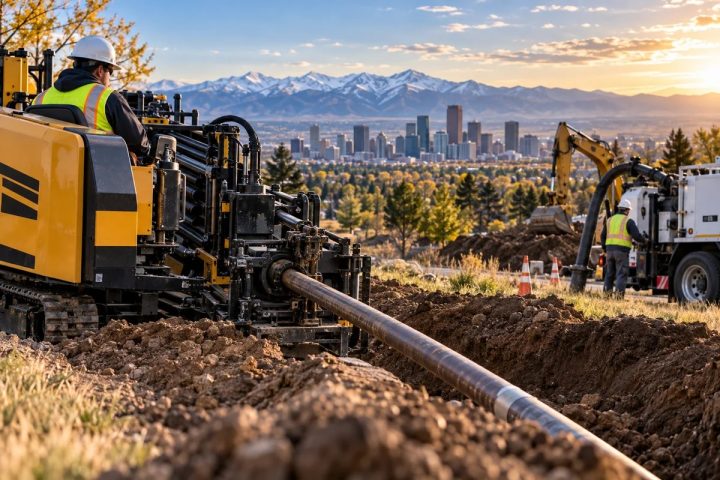
Directional drilling in Denver starts with the route, not the hole
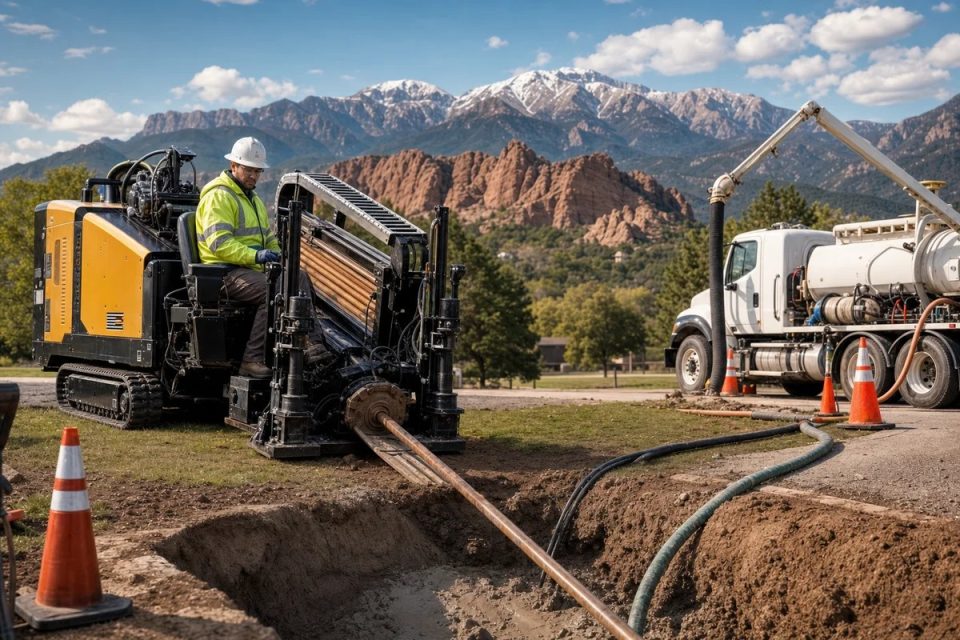
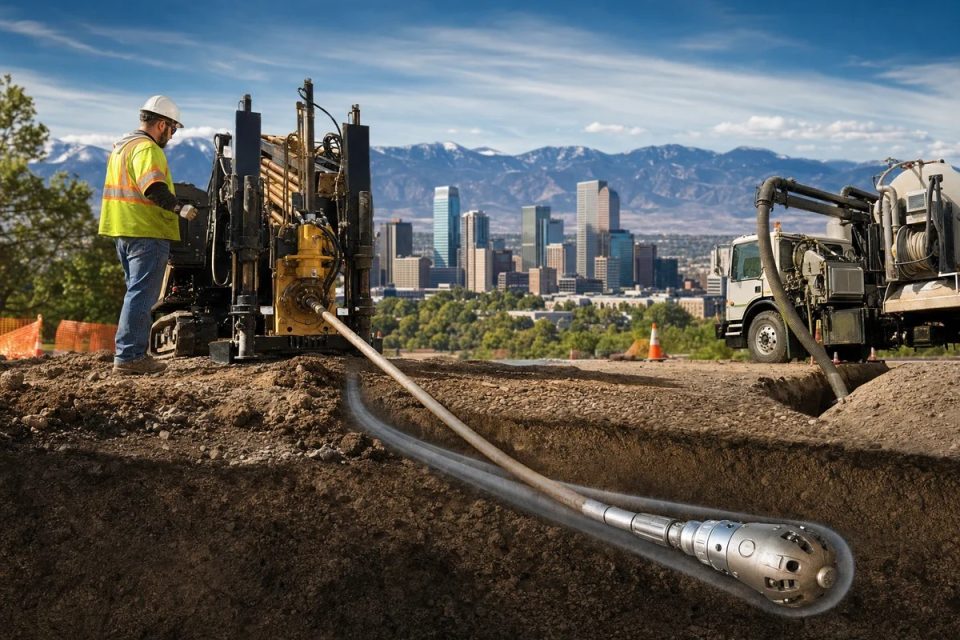
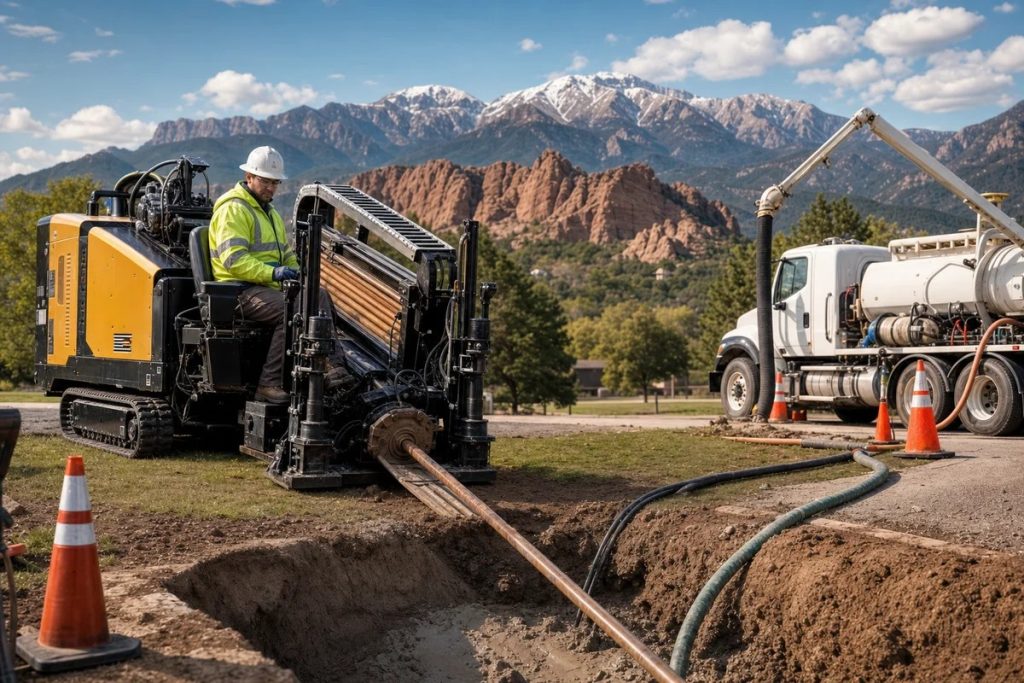
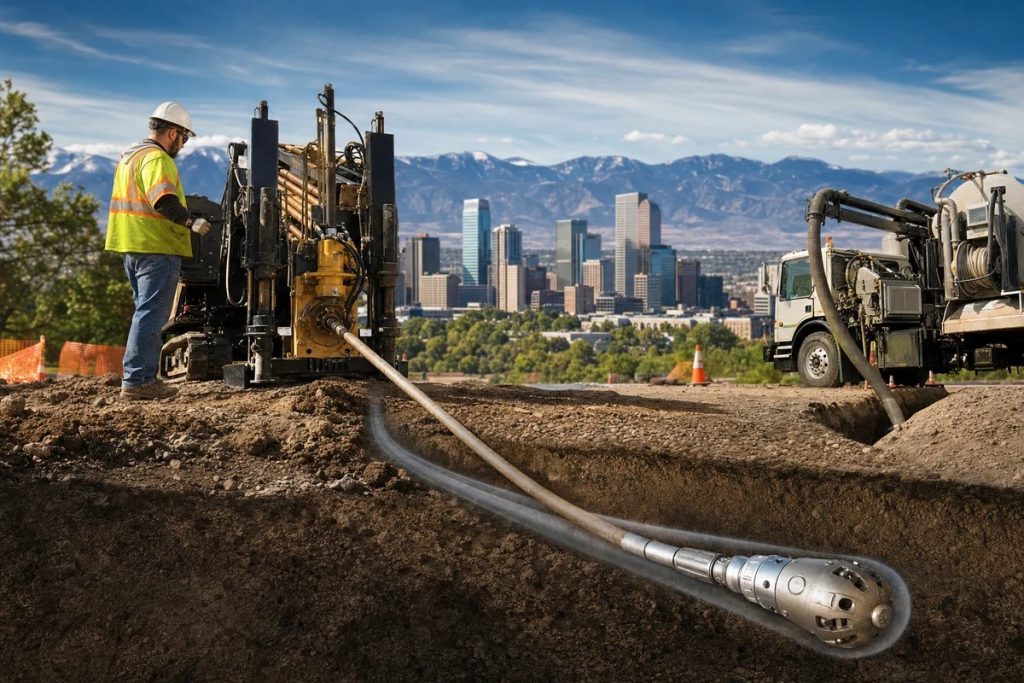
Directional drilling places a utility line by steering underground from one point to another, while open trenching cuts a long strip through the surface above it. That difference matters when you need the work done without tearing up pavement, concrete, landscaping, or an active work area. In Denver, the method is a practical choice for utility crossings, fiber conduit, electrical conduit, and runs under driveways or sidewalks.
We use this approach when the surface has to stay usable or presentable. If a bore can pass beneath a finished driveway, a sidewalk, or a paved lot, directional drilling in Denver often saves you from larger restoration work later. That is why property owners looking for directional drilling near me denver usually care first about what sits above the line, then about the line itself.
For many projects, the best answer is simple: protect the surface, set the route below it, and keep the site moving.
When horizontal boring is the cleaner choice for Denver properties
Horizontal boring is the cleaner choice when the ground above the line needs to stay intact. If you are crossing a lawn, patio, parking area, or private road, trenchless work usually means less demolition and less restoration. That is why many property owners compare directional drilling vs trenching before they ever consider open trenching.
Residential and commercial jobs use the same basic method, but the goals are a little different. At a home, the priority is often keeping the finish intact. On a commercial site, the bigger issue is keeping traffic, customers, and operations moving while the line goes in. Directional boring crews also have to plan for tighter access, crowded utility corridors, and soil that changes the setup, because those details can affect drill choice, steering, and the amount of space needed on site.
Residential sites where trenchless access protects the finish
Home projects often involve service lines, irrigation crossings, fence areas, patios, and driveway runs where restoration would take more time than the bore itself. A directional drilling contractor Denver homeowners can trust should reduce disruption to lawns, hardscape, and mature plantings, which usually means less cleanup and fewer follow-up repairs after the line is installed.
Commercial and utility projects that need a tighter footprint
On commercial properties, trenchless drilling helps around parking lots, private roads, active storefronts, campuses, and utility corridors. A smaller surface footprint can keep people and vehicles moving while we place conduit, fiber, or underground electrical routing. That is one reason directional drilling works so well for both smaller site runs and larger utility crossings.
What happens on a directional drilling job from locate to pullback
We start with utility locating and route planning, because a clean bore depends on knowing what is already in the ground before the drill starts. If the corridor is crowded or the depth is uncertain, we may use potholing or hydro excavation to verify clearances at the critical points. After that, we set the entry and exit points, confirm the steering path, and check the planned depth before the first pass.
- Locate and mark existing utilities. We verify one-call markings and look for anything that could affect the bore path, including shallow utilities, service laterals, and older lines that may not be where the record drawings say they are.
- Confirm the route. We set the entry point, exit point, and target depth so the crew knows exactly where the bore is supposed to travel.
- Drill the pilot bore. This is the first underground pass, and it creates the steerable path that follows the planned line.
- Enlarge the hole if needed. If the product line needs more room, we ream the path to the right size before pullback.
- Pull back the product line. Conduit, pipe, or cable is pulled into place, then checked so the installed line is ready for the next phase of work.
Utility locating and path planning
Existing utilities must be marked and checked before the bore starts. We lay out the entry and exit points, depth, and steering path before the first pass so the job has a clear plan, not a guess.
Drill, enlarge, and set the line
The pilot bore creates the path, reaming opens it to the right size, and the final pullback sets the line in place. After that, we verify alignment and finish so the installed conduit or utility is ready for the next trade or connection.
What changes the price and schedule on a local drilling project
Several job details change both cost and timing. Bore length, depth, access, and the number of utility crossings in the path are the biggest ones. A short residential bore under a sidewalk is a very different job from a longer run that has to pass under pavement, landscaping, and multiple known utilities before it reaches the exit point.
Soil conditions matter too. Clay, cobbles, hard packed ground, and rock can slow the bore or require different tooling. Cramped work areas can have the same effect because the crew may need a smaller machine, more careful staging, or extra setup time to protect the surrounding site. When the route has to preserve existing pavement or concrete, restoration also becomes part of the scope, not just the drilling itself.
- Length and depth. Longer and deeper bores usually take more steering and more time on site.
- Soil and rock. Ground that is dense or unstable can change the rig setup and the tools we use.
- Access. Tight alleys, fenced yards, and busy commercial lots often require a different staging plan.
- Crossings. Every driveway, sidewalk, or utility crossing adds planning and verification work.
- Restoration. If the project includes pavement, concrete, or landscaping repair, the total scope grows beyond the bore itself.
When we price directional drilling Denver projects, we look at the whole route, not just the hole. That is how we keep the schedule realistic and the scope clear before work starts.
Why Denver crews with the right equipment matter
Directional drilling goes better when the crew knows local soils, utility patterns, and site restrictions. We have worked in Colorado since 1992 as a local, family-owned team, so we understand how quickly conditions can change from one site to the next. That experience matters when the work has to stay safe, stay on track, and stay within the agreed budget.
Licensed, bonded, and insured service adds another layer of protection on projects near occupied buildings, finished pavement, or active utilities. Equipment matters just as much. Modern, well-maintained rigs, locating gear, and support trucks help us control the bore, adapt when the site changes, and keep the work moving. At UES Construction, we match the setup to the job size instead of forcing every project into the same plan, which is a big reason clients call us for trenchless work across Denver, Aurora, and nearby Colorado communities.
Questions to ask before you book directional drilling in Denver
If you are comparing directional drilling near me denver options, a short site walk and utility review will answer most of the important questions before anyone mobilizes. The goal is to confirm the route, the surface you need to protect, and the amount of verification the job will need.
When is directional drilling better than open trenching?
Directional drilling is the better choice when the surface above the line needs to stay protected. Use it under driveways, sidewalks, parking areas, finished landscaping, or active business sites where open cutting would create avoidable restoration work.
Can a bore go under a driveway or sidewalk?
Yes, if the route is verified and there is enough depth and clearance for the bore path. We confirm that with utility locates and, when needed, potholing or hydro excavation before we pull the line through.
What usually delays a directional boring project?
Unknown utilities, hard ground, limited access, and changes in the planned bore path are the most common delays. A careful pre-job locate and route review cuts down on those surprises before drilling starts.
Do I need utility locates before drilling starts?
Yes, and locating is part of safe preconstruction planning. One-call marking is the first step, and crowded corridors may need extra verification when utility depth is uncertain.
If you need a directional drilling contractor Denver property owners can count on, we can review the route, check the surface above it, and give you a clear plan before work begins. Request a free estimate or free consultation through our contact page, and we will help you sort out the bore path, the access points, and the best method for your site.
Start with the route, then set the line
Directional drilling works best when the plan is built around the route, the utilities already in the ground, and the surface you want to keep intact. That is the practical advantage of trenchless work, and it is why so many Denver property owners choose it for conduit, fiber, electrical, and utility crossings. If you are ready to compare options, UES Construction can help you look at the site, plan the bore, and move the project forward with less disruption.